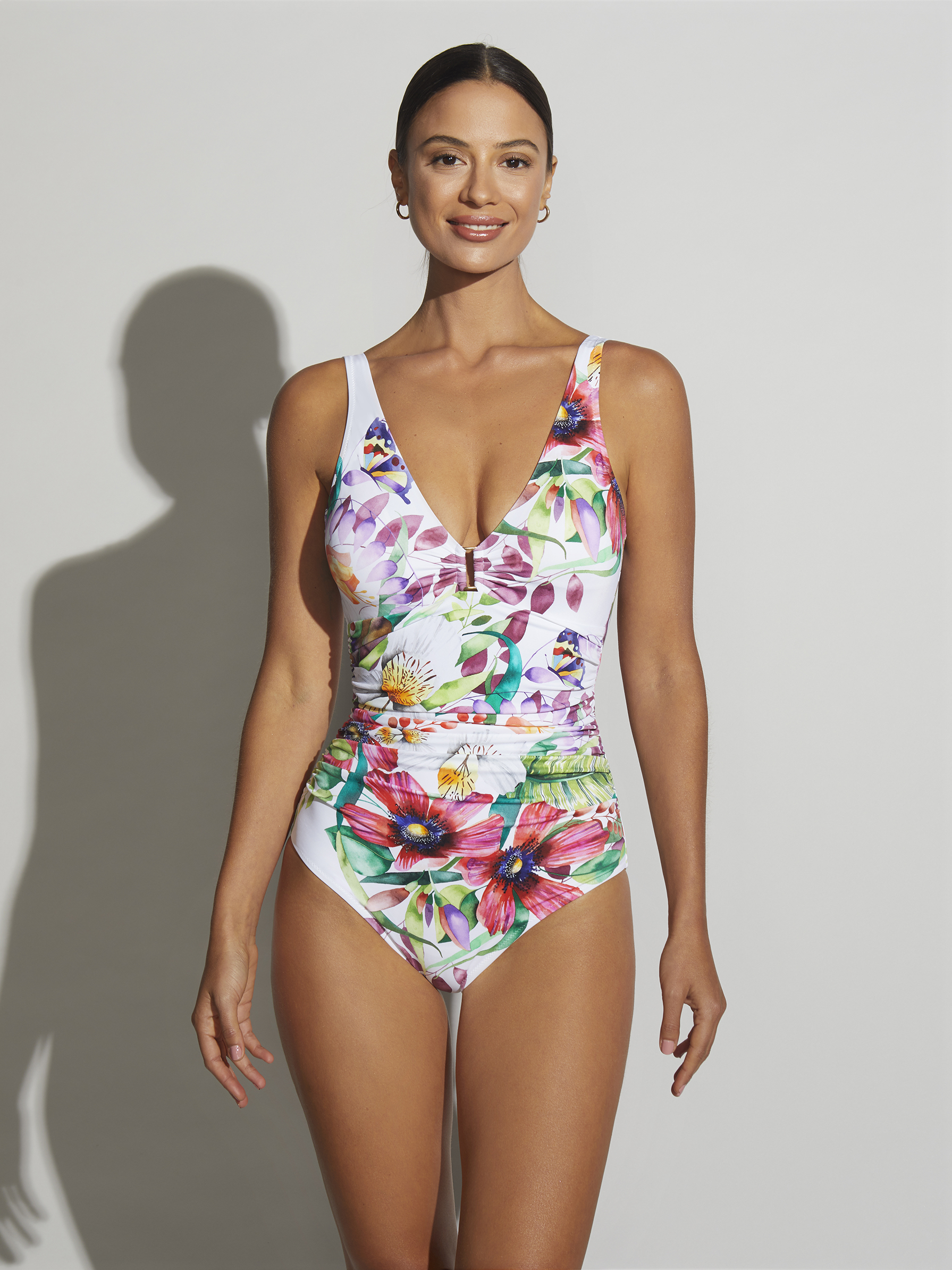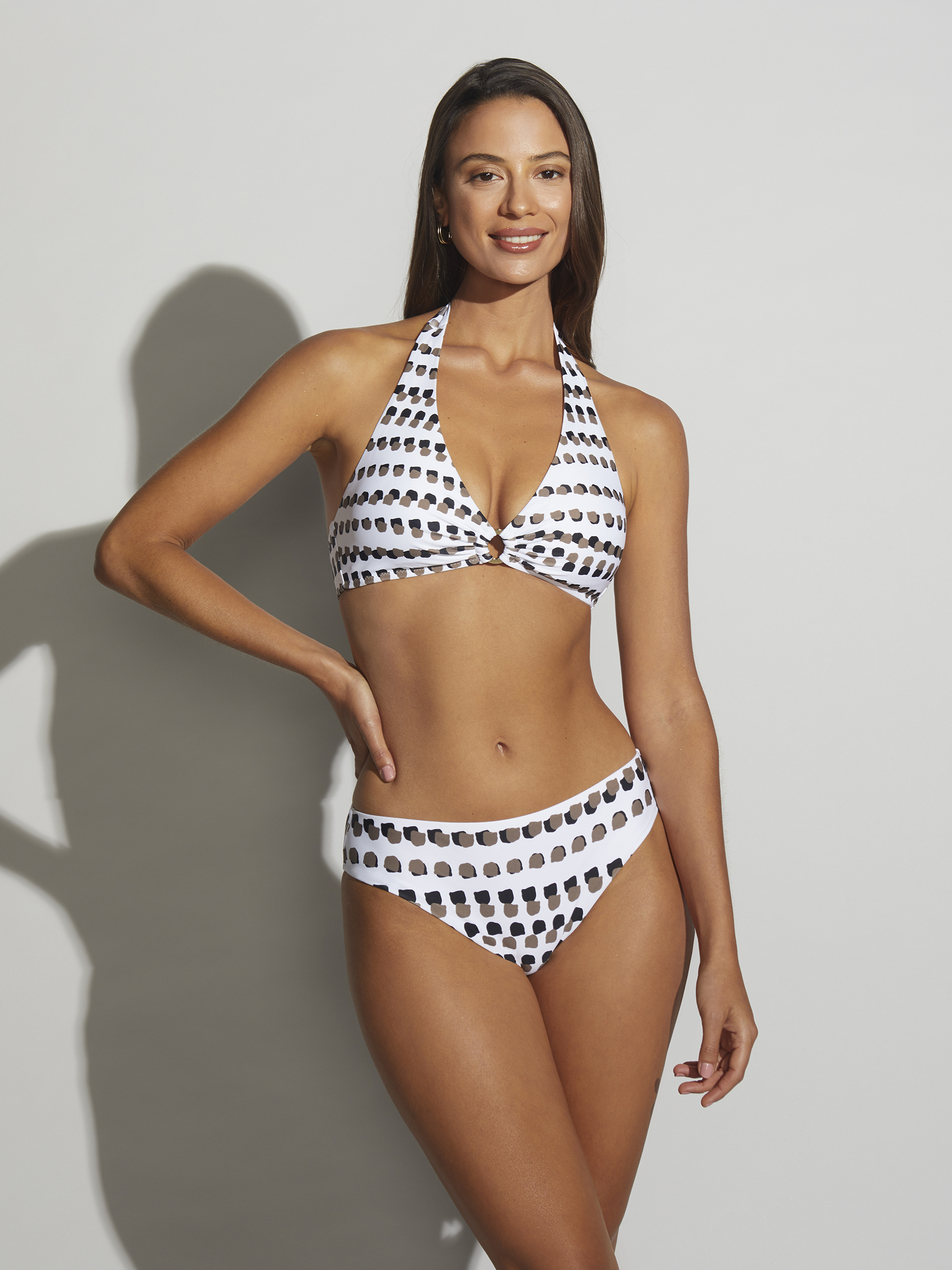
What Does SPF 50 Mean? Everything You Need to Know Before the Beach

Date
September, 1st 2026
Author
Roidal
Tags
Getting to the beach with the perfect bikini or swimsuit is only part of the plan. The other part, the one your skin will thank you for all summer long, starts with choosing your sunscreen well. That is why understanding what SPF 50 means helps you make better decisions before exposing yourself to the sun.
SPF 50 is one of the most common protection factors at the beach and the pool, but it is not always understood correctly. It does not mean you can stay in the sun for hours without reapplying the product; it indicates the level of protection against UVB radiation when used correctly.
What the sun protection factor is and how it is measured
SPF stands for Sun Protection Factor. This figure measures the protection a product offers against UVB rays, the main cause of sunburn.
When someone wonders what the sun protection factor is, the key is to understand that the number does not equal exact minutes of exposure. SPF compares how long the skin takes to redden with sunscreen versus how long it would take without it, always under controlled laboratory conditions.
In practice, that protection depends on applying enough product, spreading it evenly and reapplying it frequently. That is why a high SPF does not replace other care habits, such as seeking shade, wearing a hat or choosing comfortable swimwear to spend the day in the sun.
Sun protection factor 50: how much SPF 50 protects
Sun protection factor 50 filters approximately 98% of UVB radiation when applied correctly. This means it lets through only a very small part of the rays responsible for burns, although it does not block the sun 100%.
If you wonder how much SPF 50 protects, the real answer is: it protects a lot, but only if you use it well. You have to apply it before going out in the sun, cover all exposed areas and reapply it every two hours or after every swim.
For a full day, it also helps to choose garments and accessories that add comfort. A light sarong or a beach dress can help you cover up between swims and reduce direct exposure during the sunniest hours.
Difference between SPF 30 and SPF 50: what really changes
The difference between SPF 30 and SPF 50 may seem small if we only look at percentages. An SPF 30 filters around 97% of UVB rays, while an SPF 50 filters close to 98%. However, that difference can be relevant during long exposures or when application is not perfect.
At the beach and the pool, protection usually drops due to water, sweat, rubbing with the towel and the amount applied. That is why many people prefer SPF 50 to have a greater margin, especially in summer or on days with a high UV index.

When to use SPF 50 at the beach or the pool
Knowing when to use SPF 50 is key. In general, it is recommended for days at the beach, the pool, on a boat, long walks in the sun or any plan where exposure will be intense or prolonged.
It is also especially useful on fair skin, skin with dark spots, scars, recent dermatological treatments or sensitive areas such as the face, neckline, shoulders and the top of the feet. Even if your skin tans easily, accumulated sun damage can appear over time.
If you are planning a getaway, you can get inspired with this selection of beaches and choose both the destination and the right protection to enjoy it safely.
Mistakes that reduce the effectiveness of SPF 50
Choosing a good sunscreen is not enough if it is applied badly. One of the most common mistakes is using too little. If you apply less product than recommended, the real protection can be much lower than the figure on the bottle.
Another common mistake is not reapplying. Water, sweat and rubbing remove part of the sunscreen, even if the product is water resistant. It is also a good idea to check the expiry date and avoid leaving the bottle in the sun for hours, because heat can alter the formula.
In addition, there are areas that are often forgotten: ears, neck, neckline, shoulders, the top of the feet and the back of the legs. These are very exposed areas when you wear a bikini or swimsuit and can burn easily.
SPF 50, swimsuits and bikinis: how to pack your beach bag well
Sun protection works best when it is part of a complete routine. Sunscreen, hydration, shade, sunglasses and a comfortable swimsuit make the day more pleasant and safe.
If you are going to spend many hours outdoors, choose quality fabrics, garments that do not chafe and designs that let you move comfortably. You can combine an SPF 50 sunscreen with Roidal swimsuits or with a bikini that adapts well to your beach plan.
How to care for your swimwear after using SPF 50
Sunscreens can leave residue on the fabric, especially when combined with salt, chlorine or sweat. To keep the garment in good condition, rinse it with cold water after every use and avoid leaving it damp inside your bag for hours.
It is also advisable to wash the garment by hand, without rubbing too much, and let it dry in the shade. If you want to expand on this care, you can read the tips to extend the life of your bikinis and swimsuits.
In short, SPF 50 means high protection against UVB radiation, but not absolute protection. For it to work well, you have to apply it in sufficient amount, reapply it every two hours and combine it with responsible habits during sun exposure.
Before going to the beach, check your sunscreen, prepare your swimwear and add accessories that help you stay comfortable all day long. Caring for your skin and enjoying summer can go perfectly hand in hand.
August, 26th 2026
Swimsuits That Hide the Belly: Keys to Choosing the Most Flattering One
Previous Article